
Utah’s Rising Home Birth Trend: Regulatory Gaps, Demographic Patterns, and Safety Debates
Utah is seeing a significant rise in out-of-hospital births. Regulation, safety, and access are moving to the center of public health discussions.
Utah has seen a marked rise in out-of-hospital births over the past several years. According to the Utah Department of Health and Human Services, more than 1,400 live births occurred at home in 2023, representing over three percent of all statewide deliveries—roughly double the national average. These figures align with reporting from Axios Salt Lake City in October 2025, noting that more than four percent of Utah births now take place outside hospital settings.
The regulatory framework governing midwifery in Utah differs from that of many U.S. states. Licensure is voluntary, and both Certified Nurse-Midwives (CNMs) and Certified Professional Midwives (CPMs) are permitted to practice. However, attending high-risk pregnancies can jeopardize licensure, resulting in some complex cases shifting toward unlicensed lay midwives—an ongoing point of contention. Axios cites a state review of births from 2016 to 2021 that documented higher neonatal mortality among out-of-hospital deliveries, particularly in planned home births.
Although these findings heighten safety concerns, other analyses show that well-defined low-risk pregnancies, rigorous midwifery training, and functioning emergency pathways can produce outcomes comparable to accredited birth centers. The Utah Women & Newborns Quality Collaborative has long worked on standardized hospital transfer protocols to facilitate safer transitions when complications arise. The organization confirms that Utah’s out-of-hospital birth rate remains more than twice the national average.
Demographic trends add another dimension to this debate. State data reported by Axios indicate that families choosing home birth tend to be older, more highly educated, more often married, and more likely to have given birth before. At the same time, delayed initiation of prenatal care is more common within this group, adding an additional layer of risk.
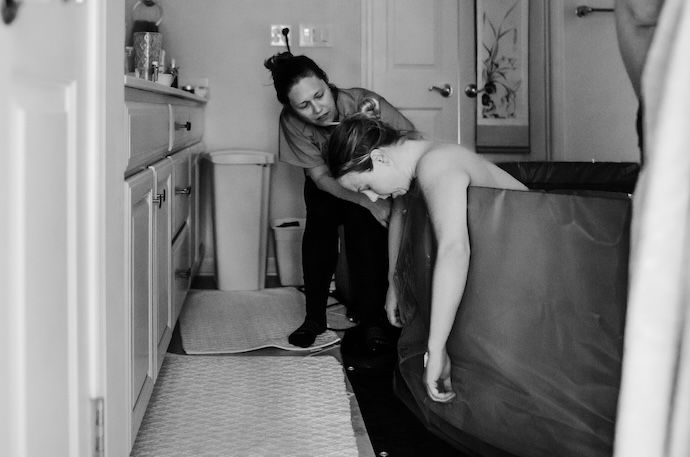 Photo by Rebekah Vos
Broader structural changes within the healthcare system also influence this trend. Funding reductions – including Medicaid cuts– and the closure of smaller rural hospitals have contributed to growing interest in local, community-based birthing options. During the COVID-19 pandemic, surveys of Utah midwives and doulas, summarized by Axios, showed a marked increase in demand for home births, accompanied by shortages of personal protective equipment and logistical challenges during hospital transfers.
Neonatal outcomes present a nuanced picture. State-level analyses suggest that infants born at home in Utah may have slightly lower five-minute Apgar scores on average. However, these newborns were less likely to require ventilatory assistance or neonatal intensive care. A national peer-reviewed U.S. study referenced by Axios found higher neonatal mortality in planned home births compared with hospital deliveries, regardless of midwife certification level.
In light of these developments, discussions about regulation, emergency preparedness, and informed decision-making are gaining urgency. Supporters of a flexible regulatory model argue that voluntary licensing preserves access and autonomy. Critics counter that without stronger oversight, vulnerable patients may receive care from providers whose qualifications are insufficiently assessed.
The rising share of out-of-hospital births in Utah reflects a broader shift: families are seeking more autonomy, individualized care, and proximity-based options during childbirth while systemic pressures on healthcare infrastructure continue to grow. The key challenge will be ensuring that this shift is supported by robust safety systems, transparent information, and reliable clinical pathways– so that choice and safety can coexist in practice.
Source: Axios